- 14 Oct 2026
- Hello Transport Team
- Car Shipping
Shipping a car for the first time can feel like a leap of faith: you hand your keys to a driver you have never met and wait for the car to arrive hundreds or thousands of miles away. Knowing what happens at each stage takes most of the worry out of it. Here is how a typical car shipment works, from the first quote to the final signature.
1. Request a quote
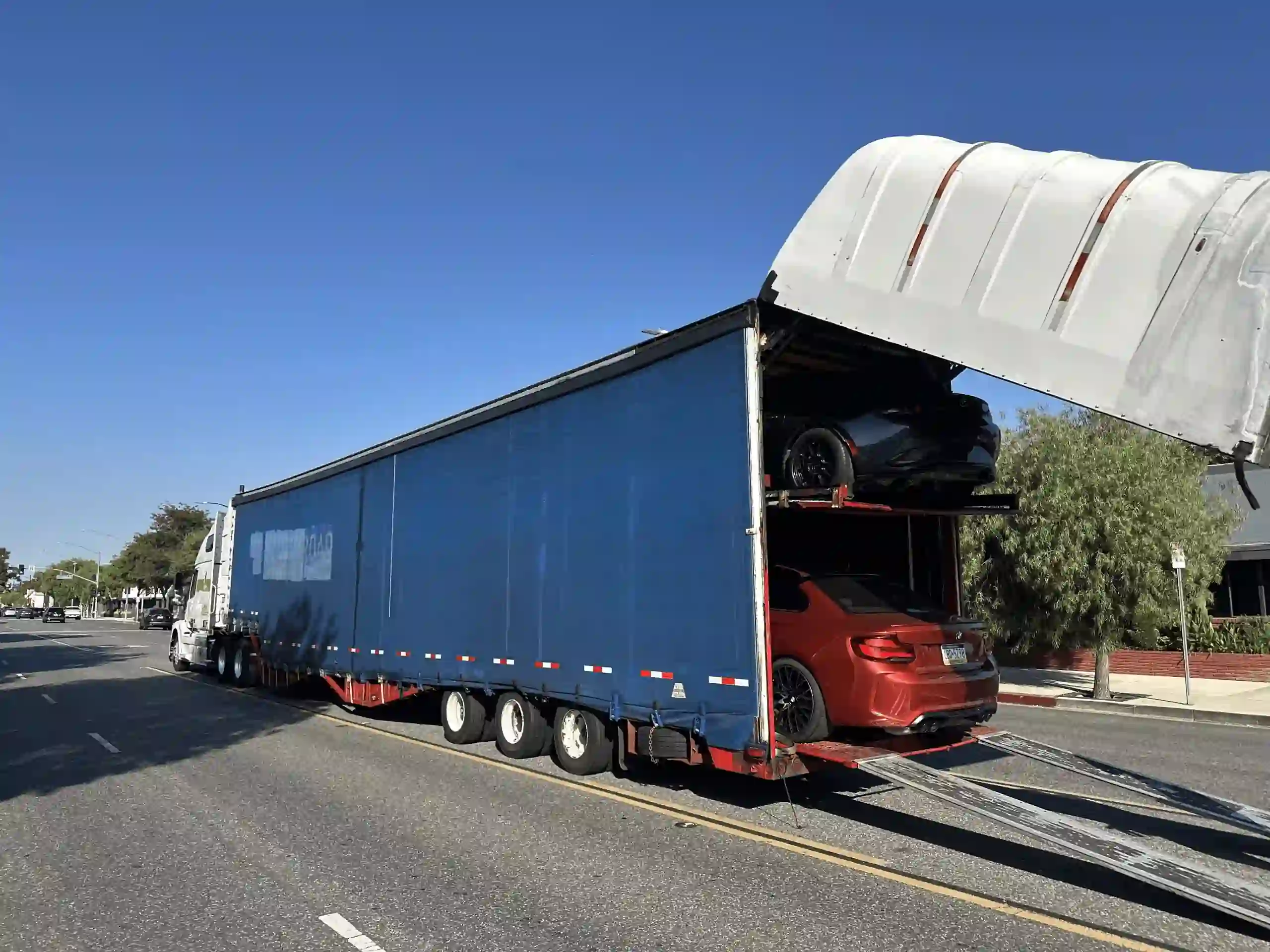
A quote starts with a few details: the year, make and model of the vehicle, whether it runs, the pickup and delivery ZIP codes, the date you want it collected, and whether you want open or enclosed transport. The more accurate these are, the more accurate the quote. A non-running vehicle, for example, needs a carrier with a winch, and a lifted truck takes up more room on a trailer than a standard sedan.
2. Book and confirm the details
Once you accept a quote, the shipment is booked and the details are confirmed: addresses, contact names and phone numbers at both ends, and your first available pickup date. Check these carefully. A wrong phone number is one of the most common reasons a driver is held up at pickup.
3. A carrier is assigned
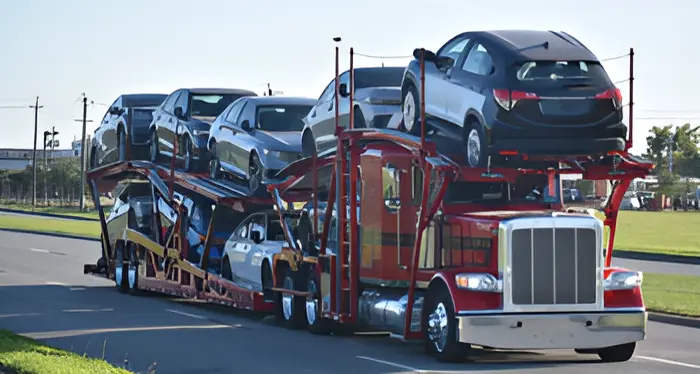
Your vehicle is then matched with a licensed and insured carrier running your route. Car carriers plan their routes around full loads, so pickup is usually given as a window of a few days rather than a fixed hour. The driver will normally call ahead, often the day before and again shortly before arriving.
4. Pickup and inspection
At pickup, the driver inspects the vehicle with you and records its condition on the Bill of Lading (BOL), noting any existing scratches, dents or chips. This is the most important document in the whole process. Walk around the car with the driver, make sure the BOL is accurate, and keep your copy. Taking your own dated photos at the same time is a good habit.
5. Transit
Transit time depends mostly on distance and route. Shorter regional moves can take a few days; coast-to-coast moves commonly take one to two weeks. Weather, road conditions and other pickups and drop-offs on the same load all affect timing, so treat an estimated delivery date as an estimate.
6. Delivery and final inspection
When the vehicle arrives, inspect it again before you sign, comparing its condition with the pickup notes on the BOL. If you find anything new, write it on the BOL before signing and photograph it. Notes made at delivery are what any damage claim is based on, so do not skip this step, even if the driver is in a hurry.
Tips for a smoother shipment
- Be flexible on dates if you can. A wider pickup window means more carriers can take the job.
- Leave about a quarter tank of fuel. A full tank only adds weight.
- Remove personal belongings and toll tags. Items left in the car are generally not covered by the carrier's cargo insurance.
- Have someone available at both ends, or name a trusted person to hand over and receive the vehicle.
Ready to move a vehicle? Request a car shipping quote and our team will take it from there.