- 14 Oct 2026
- Hello Transport Team
- Car Shipping
One of the first choices you make when shipping a vehicle is whether it travels on an open or an enclosed trailer. Both are safe, well-established ways to move a car. The difference is how much protection the car has along the way, and what that protection costs.
Open transport
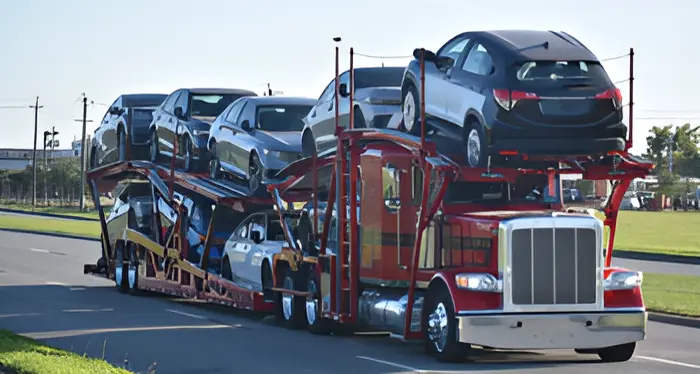
Open carriers are the two-level trailers you see on the highway carrying several cars at once. They are by far the most common way to ship a vehicle, which means more trucks on more routes and usually faster scheduling.
The trade-off is exposure. Vehicles on an open trailer are exposed to weather, road dust and the occasional small stone kicked up from the road, much as they would be if they were being driven. For an everyday car this is rarely a concern.
Open transport usually makes sense for:
- Daily drivers and family vehicles
- Dealer, auction and fleet moves
- Shipments where cost and speed matter most
Enclosed transport
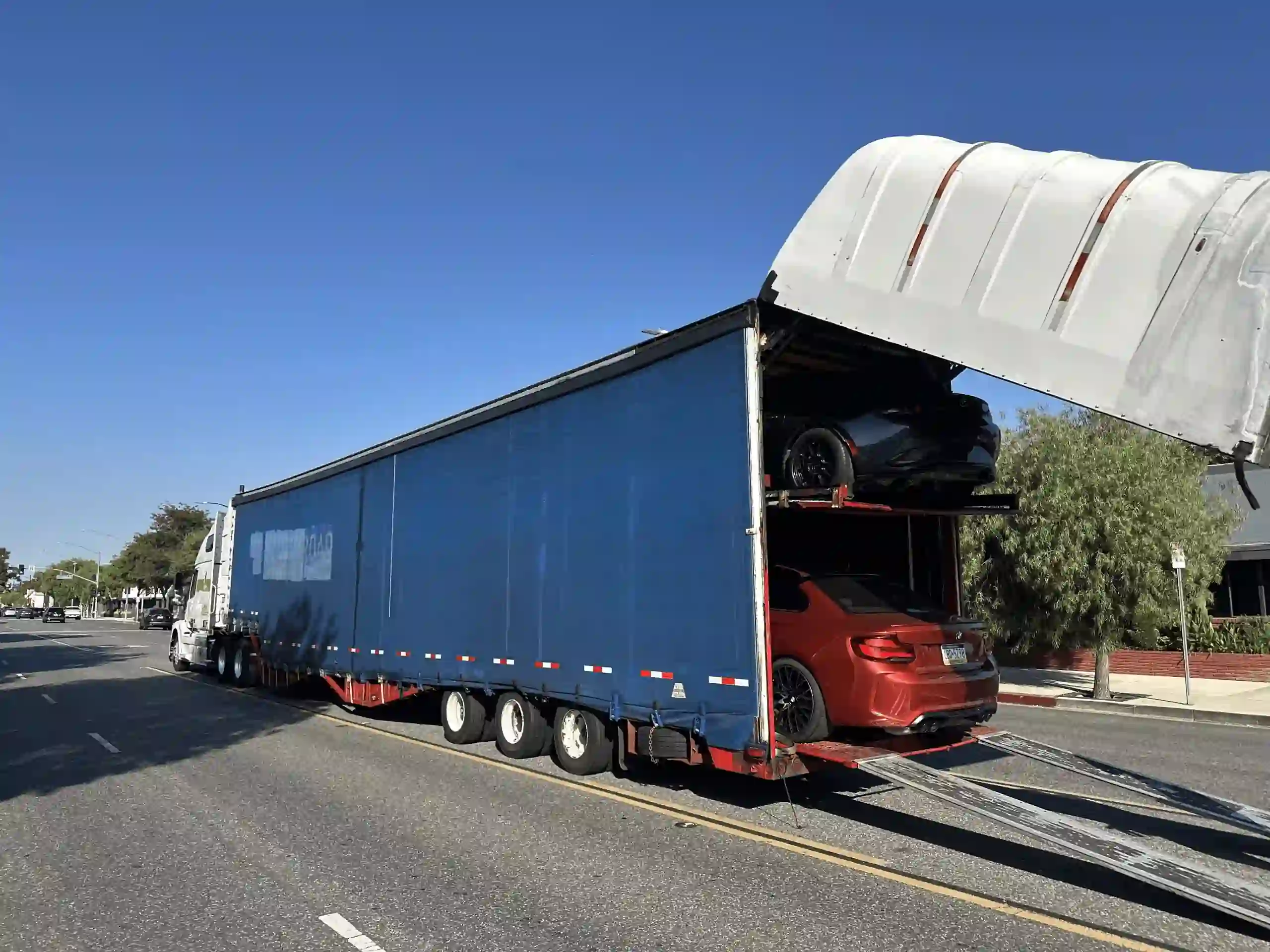
Enclosed trailers have sides and a roof, so the vehicle is shielded from weather and road debris for the whole trip. Many enclosed carriers use hydraulic lift gates instead of steep ramps, which matters for low-clearance cars, and they carry fewer vehicles per load.
Because there are fewer enclosed trucks on the road and each carries fewer cars, enclosed transport costs more and can take a little longer to schedule.
Enclosed transport usually makes sense for:
- Classic, collector and exotic cars
- Luxury and brand-new vehicles where the finish matters
- Lowered or modified cars with limited ground clearance
- Vehicles going to shows, auctions or buyers who expect showroom condition
Side by side
| Open | Enclosed | |
|---|---|---|
| Protection from weather and debris | Exposed | Fully covered |
| Cost | Lower | Higher |
| Availability | Widely available | Fewer trucks, so plan ahead |
| Loading | Ramps | Often a hydraulic lift gate |
| Best for | Everyday vehicles | High-value and low-clearance vehicles |
How to decide
Ask yourself one question: would a small chip from road debris, or a layer of dust, be a real problem for this car? If not, open transport is the practical, economical choice. If the car's value, finish or clearance makes that risk unacceptable, enclosed transport is worth the extra cost.
Whichever you choose, inspect the vehicle carefully at pickup and delivery and make sure its condition is recorded on the Bill of Lading.
Not sure which suits your vehicle? Request a quote, choose open or enclosed on the form, and our team can talk you through the difference.