- 14 Oct 2026
- Hello Transport Team
- Freight
When you ship freight by truck, the first decision is whether you need the whole trailer or only part of it. That is the difference between full truckload (FTL) and less-than-truckload (LTL) shipping, and choosing well affects your cost, your transit time and how much your goods are handled along the way.
What is LTL?
With LTL, your shipment shares a trailer with freight from other shippers, and you pay for the space and weight you use. LTL freight usually moves through a network of terminals, where it may be unloaded and reloaded onto different trucks on its way to the destination.
LTL is usually a good fit when:
- Your shipment is a few pallets rather than a trailer-load. As a rough guide, LTL is commonly used from around 150 pounds up to about six pallets.
- Your timeline has some flexibility.
- Your goods are palletized or crated and can handle being moved through terminals.
What is FTL?
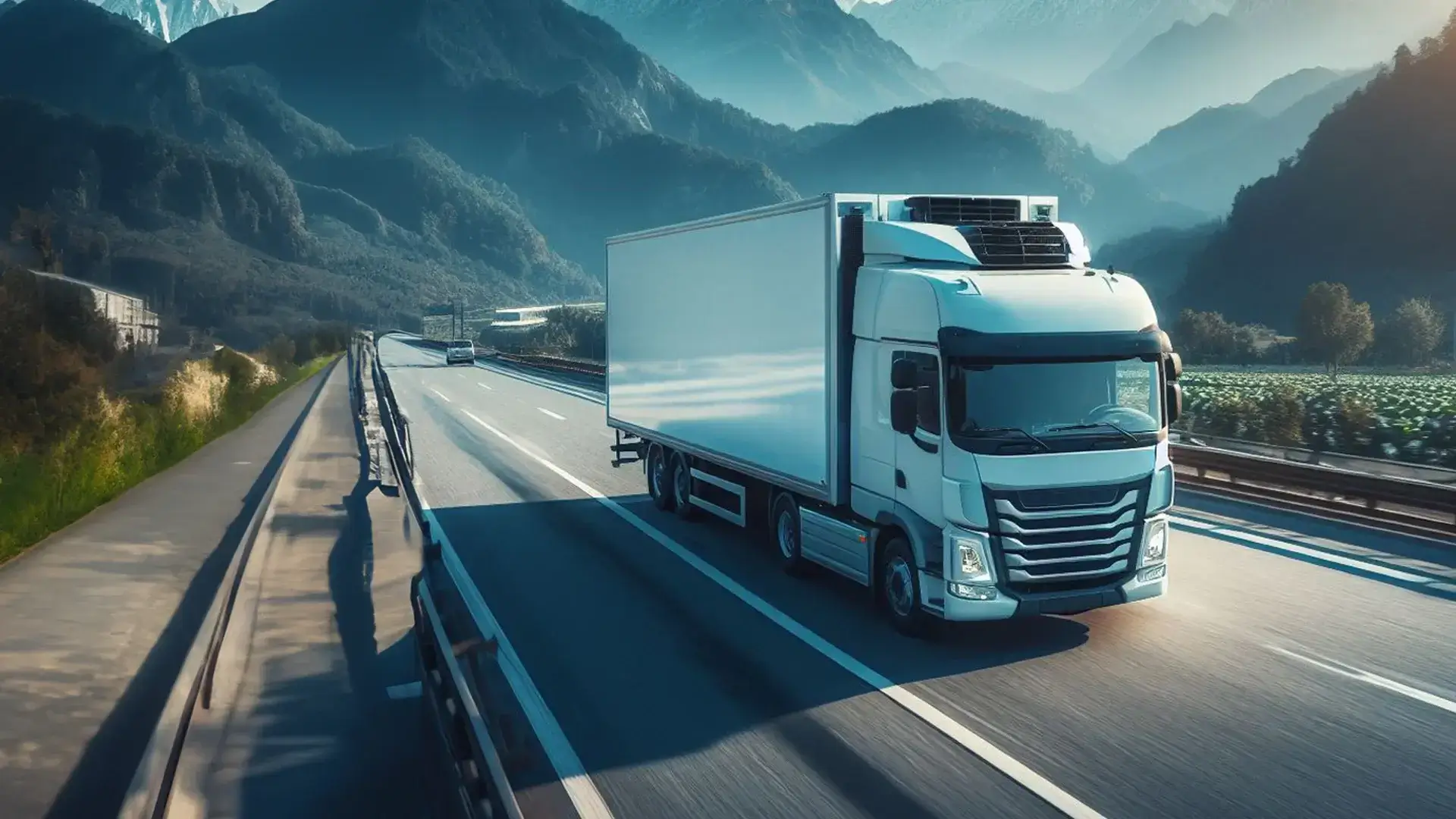
With FTL, one shipment has the trailer to itself. The truck loads at your pickup and drives to your delivery without stopping to load or unload anyone else's freight.
FTL is usually a good fit when:
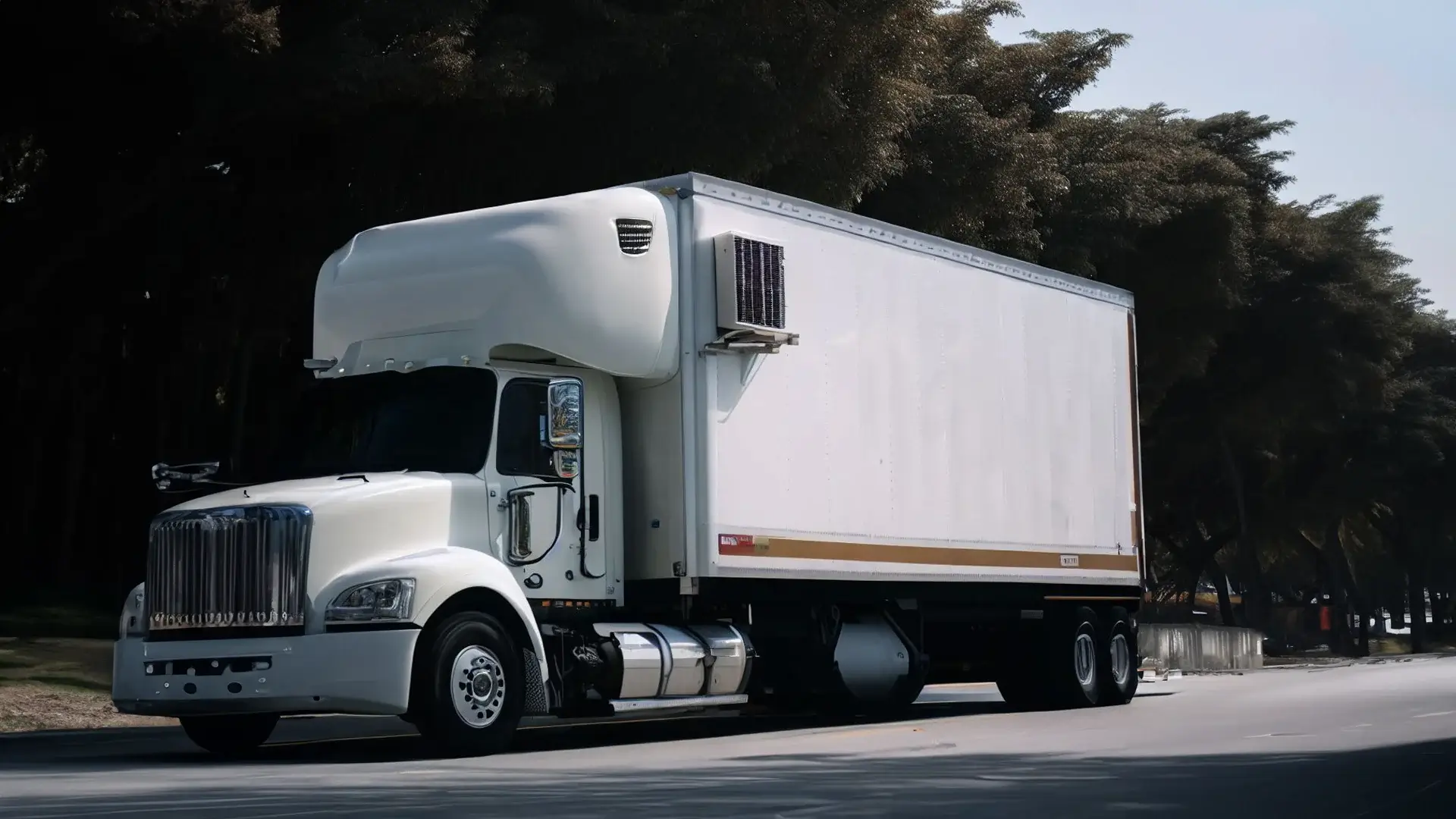
- The shipment fills most of a trailer or approaches the weight limit. A standard 53-foot dry van holds 26 standard pallets on the floor.
- Delivery is time-sensitive.
- The goods are fragile, high-value or sensitive and should be handled as little as possible.
Freight class and LTL pricing
In the U.S., LTL shipments are assigned a freight class under the National Motor Freight Classification (NMFC). There are 18 classes, from 50 to 500. Lower classes cover dense, durable goods; higher classes cover light, bulky or fragile items. Density is the biggest factor, along with how easily the freight can be stowed and handled and its liability.
Giving accurate weights and dimensions leads to the right class from the start, and avoids reclassification charges after pickup.
Extra services
Services beyond a standard dock-to-dock move add to the cost, so tell us about them when you request a quote:
- A liftgate at pickup or delivery, where there is no loading dock
- Residential or limited-access locations such as schools, farms and construction sites
- Inside delivery
- Delivery appointments or a call before delivery
The middle ground
Shipments too large to move economically as LTL, but well short of a full trailer, can sometimes move as volume LTL or partial truckload. These share a truck with fewer stops and less handling than standard LTL. If your shipment sits in that range, mention it and we will look at both options.