- 14 Oct 2026
- Hello Transport Team
- Freight
Fresh produce, frozen food, pharmaceuticals, flowers and many cosmetics have one thing in common: they spoil or degrade if they get too warm or too cold. Refrigerated ("reefer") trailers keep this freight within a set temperature range from pickup to delivery.
How reefer trailers work
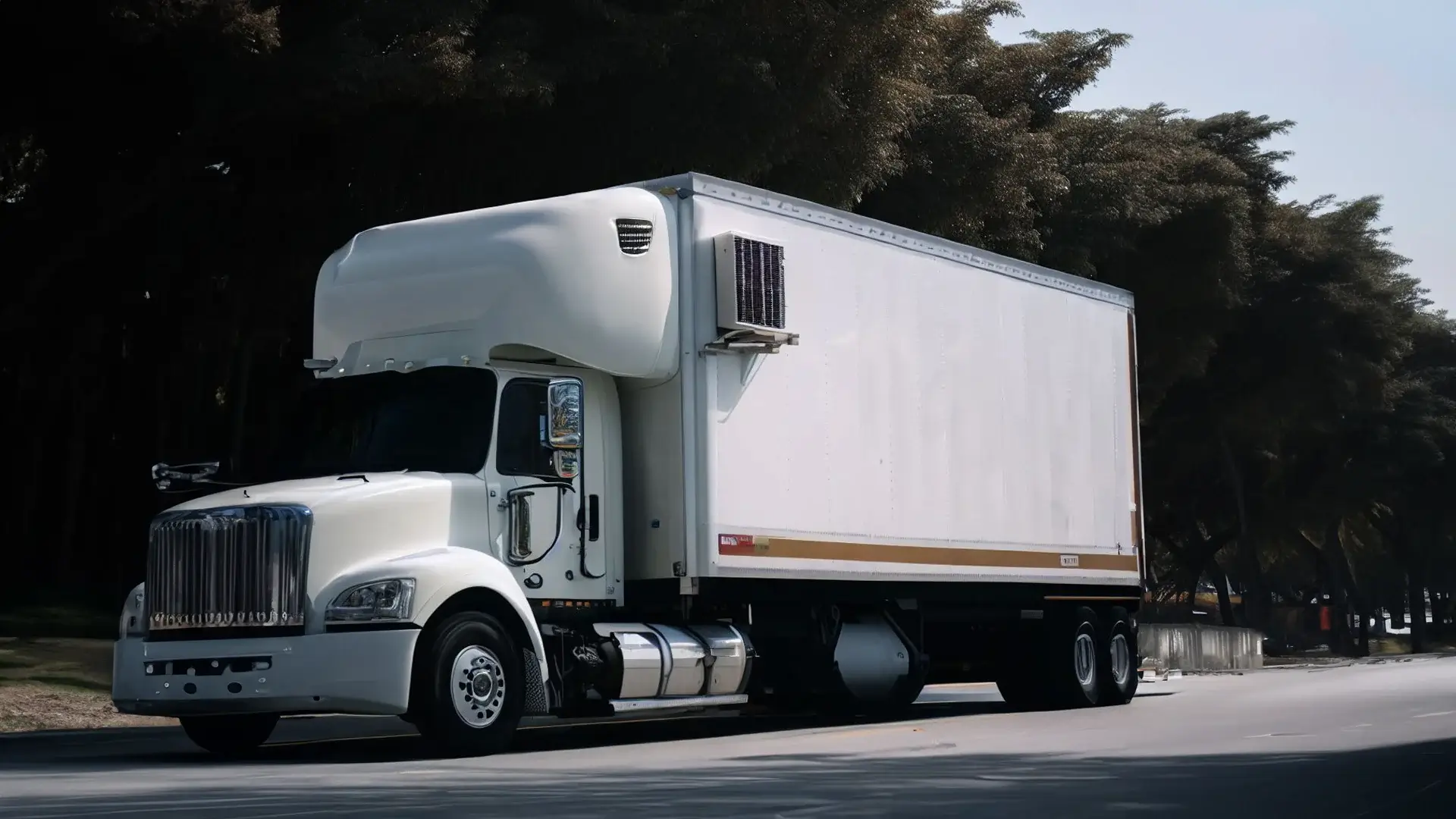
A reefer is an insulated trailer with its own refrigeration unit, which cools and, in many units, can also heat to hold a set temperature. Air circulates through and around the load, so how the freight is stacked matters as much as the temperature setting.
Reefer units usually run in one of two modes:
- Continuous: the unit runs all the time, keeping airflow steady. Common for fresh produce, flowers and other products sensitive to small temperature swings.
- Cycle (start/stop): the unit runs only as needed to hold the set point, which saves fuel. Common for frozen goods and products that tolerate small fluctuations.
What to tell us when you request a quote
- The commodity, and whether it is fresh, chilled or frozen.
- The required temperature or range, and continuous or cycle mode.
- Number of pallets, weight and dimensions.
- Pickup and delivery appointment times.
- Any special requirements, such as food-grade equipment or temperature records.
Best practices for shippers
- Pre-cool the product to the right temperature before loading. A reefer is designed to hold temperature, not to bring warm product down quickly.
- Leave room for air to move. Do not block the air chute or the return, and avoid loading freight tight against the walls.
- Load promptly and keep the doors closed as much as possible.
- Write the set temperature on the Bill of Lading, so it is documented for everyone who handles the load.
- Ask for temperature records if your product or your customer needs proof of the cold chain.
In the U.S., food shipments are also covered by the FDA's sanitary transportation rule, which sets out responsibilities for shippers, loaders, carriers and receivers in keeping food at safe temperatures and preventing contamination.